[Word origin: 1650–60; A neo-Latin neologism, syllabus, syllabos is probably a misreading (in manuscripts of Cicero) of Greek síttybās, accusative plural of síttyba = a label for a papyrus roll
 ]
]Ancient Rome in the Movies
Ten
three hour sessions -- on line: ZOOM
 Click image or this
line to enlarge the image
Click image or this
line to enlarge the image
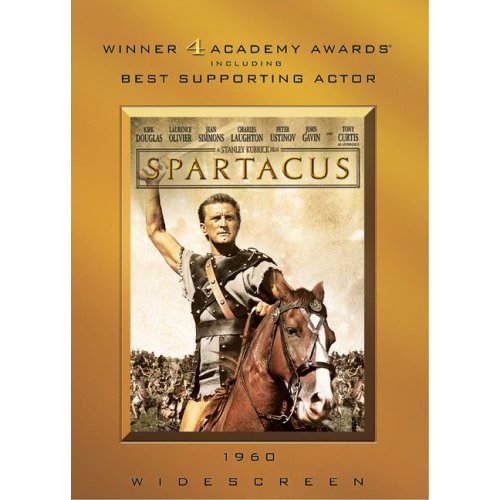
Some film makers got ancient Rome right. Some got it wrong. Some didn't get it at all. Many films about Rome tell us more about the biases of the times in which they were made than about the times they claim to depict. Some are "message" films, and some just carry forward the message of the books on which they were based. There is nothing in the historical account of Spartacus, for example, that would lead us to accept the "Christian" message of the Spartacus film epic or of the Howard Fast novel on which it is based (nor, for that matter, is there any proletarian internationalism that could explain the former Soviet fascination with "Spartakiad".
Recent big budget films, made for theaters, tend to get the background right, but they badly garble their historical story lines. Lower budget theater films don't even try for background accuracy much less for historical fact -- "Sword of the Arena", a girl gladiator flick, comes to mind (although there were some documented female gladiators).
Televison productions vary greatly in authenticity: the History Channel, just one example, will buy and broadcast almost any show that claims to be "historical", so some History Channel content is completely bogus. Also, television time is usually sold in small chunks, so instead of getting an "in depth" 145 minute theater version of Rome, we may only get the 60 minute television version -- minus, of course, about 13 minutes for "messages from our sponsors." The recent Italian-made HBO "Rome" series falls into its own category: it's an in depth fictional soft porn soap opera and has almost no accurate historical content. (That doesn't mean it's not fun to watch, but we won't, so watch it on your own time.) "I Claudius" is fairly accurate (except that his wife probably did not poison him) but the series is just too long for this course so, again, watch it on your own time.
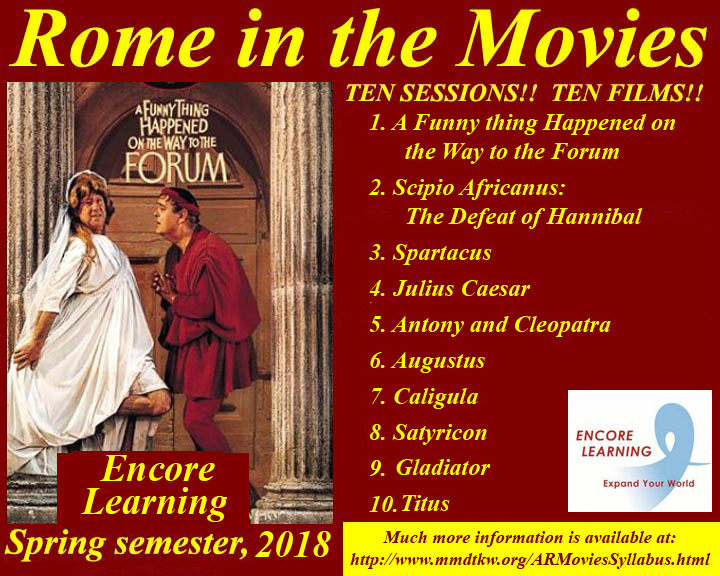
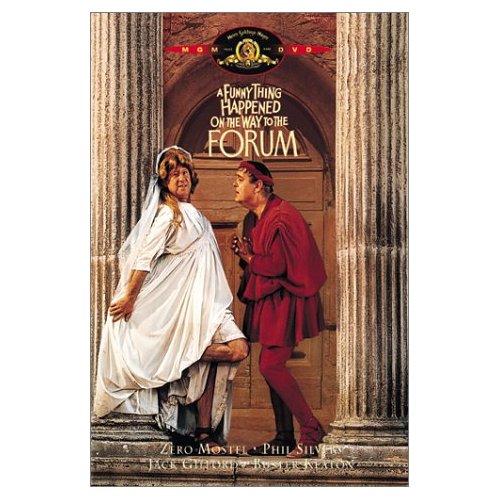
There are, of course some good films on ancient Rome, and some of them have unusual formats. "A Funny Thing Happened on the Way to the Forum", our first film, based on plays by ancient Rome's best comedic playwright, fully captures the irreverence for status and authority of the ancient Roman comedic stage. Other films will follow. Popcorn not provided.
A few rambling random introductory notes for the course are available at
http://www.mmdtkw.org/ARMovIntroRamble.html
Textbooks: No textbook will be needed for this course. The usual handouts will be provided for each unit. But if you really think you must have a book, try one of these:
Course Units (one film per unit): Click image or this
line to enlarge the imageSome film makers got ancient Rome right. Some got it wrong. Some didn't get it at all. Many films about Rome tell us more about the biases of the times in which they were made than about the times they claim to depict. Some are "message" films, and some just carry forward the message of the books on which they were based. There is nothing in the historical account of Spartacus, for example, that would lead us to accept the "Christian" message of the Spartacus film epic or of the Howard Fast novel on which it is based (nor, for that matter, is there any proletarian internationalism that could explain the former Soviet fascination with "Spartakiad".
Recent big budget films, made for theaters, tend to get the background right, but they badly garble their historical story lines. Lower budget theater films don't even try for background accuracy much less for historical fact -- "Sword of the Arena", a girl gladiator flick, comes to mind (although there were some documented female gladiators).
Televison productions vary greatly in authenticity: the History Channel, just one example, will buy and broadcast almost any show that claims to be "historical", so some History Channel content is completely bogus. Also, television time is usually sold in small chunks, so instead of getting an "in depth" 145 minute theater version of Rome, we may only get the 60 minute television version -- minus, of course, about 13 minutes for "messages from our sponsors." The recent Italian-made HBO "Rome" series falls into its own category: it's an in depth fictional soft porn soap opera and has almost no accurate historical content. (That doesn't mean it's not fun to watch, but we won't, so watch it on your own time.) "I Claudius" is fairly accurate (except that his wife probably did not poison him) but the series is just too long for this course so, again, watch it on your own time.
There are, of course some good films on ancient Rome, and some of them have unusual formats. "A Funny Thing Happened on the Way to the Forum", our first film, based on plays by ancient Rome's best comedic playwright, fully captures the irreverence for status and authority of the ancient Roman comedic stage. Other films will follow. Popcorn not provided.
A few rambling random introductory notes for the course are available at
http://www.mmdtkw.org/ARMovIntroRamble.html
Textbooks: No textbook will be needed for this course. The usual handouts will be provided for each unit. But if you really think you must have a book, try one of these:
Big
Screen
Rome, by Monica Silveira Cyrino or
Imperial Projections: Ancient Rome in Modern Popular Culture, by Sandra B. Joshel et al. or
Projecting the Past: Ancient Rome, Cinema, and History, by Maria Wyke
Imperial Projections: Ancient Rome in Modern Popular Culture, by Sandra B. Joshel et al. or
Projecting the Past: Ancient Rome, Cinema, and History, by Maria Wyke
The
following contain links to pages that are available on
the Internet.
Please note that links on the Internet are notoriously volatile. I can not predict or prevent "broken links" due to changes in other folks' Internet sites. If you don't find what the link calls for, you can always search using Google or some othe search engine.
Please note that links on the Internet are notoriously volatile. I can not predict or prevent "broken links" due to changes in other folks' Internet sites. If you don't find what the link calls for, you can always search using Google or some othe search engine.
The Films:
encyclopedia that anyone can edit". Like much other information on the
Internet, what appears in Wikipedia should be taken cum grano salis.
-------------------------------------------------------------------
 Click for larger image
97 Minutes
http://en.wikipedia.org/wiki/A_Funny_Thing_Happened_on_the_Way_to_
the_Forum
http://en.wikipedia.org/wiki/Plautus
http://en.wikipedia.org/wiki/Zero_Mostel
 Click for larger image
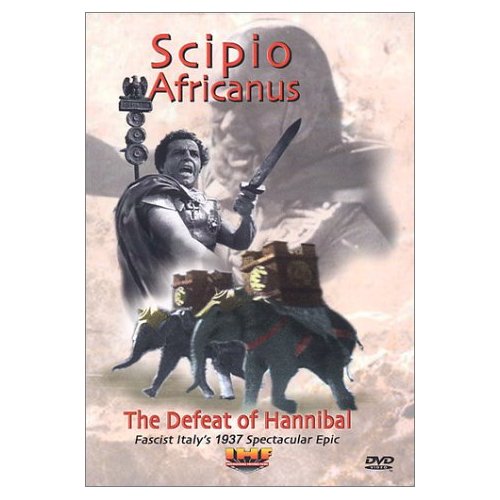
93 Minutes
http://www.ihffilm.com/scipafdefofh.html
http://www.roman-empire.net/army/zama.html
http://en.wikipedia.org/wiki/Benito_Mussolini
 Click for larger image
198 Minutes
http://en.wikipedia.org/wiki/Spartacus
http://www.vroma.org/~bmcmanus/spartacus.html
http://www.historyinfilm.com/spart/
http://en.wikipedia.org/wiki/Howard_Fast
http://en.wikipedia.org/wiki/Dalton_Trumbo
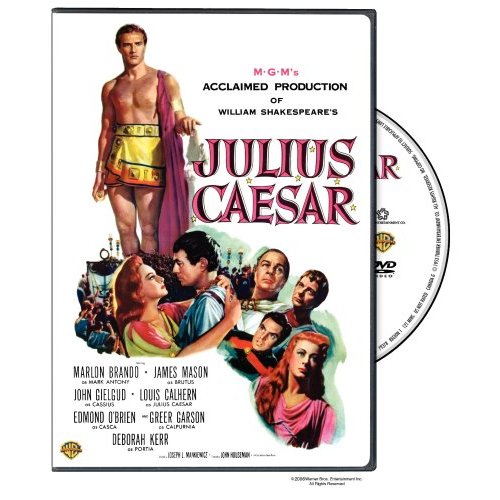 Click
for larger image
Click
for larger image121 Minutes
http://www.sparknotes.com/shakespeare/juliuscaesar/
http://www-tech.mit.edu/Shakespeare/julius_caesar/index.html
part of http://www-tech.mit.edu/Shakespeare/
http://en.wikipedia.org/wiki/Julius_Caesar_(1953_film)
http://movies2.nytimes.com/mem/movies/review.html?_r=3&title1=Julius
%20Caesar&title2=&reviewer=BOSLEY%20CROWTHER
http://dir.yahoo.com/Arts/Humanities/History/By_Time_Period/Ancient_
History/Roman/People/Caesar__Gaius_Julius__100_44_BCE_/
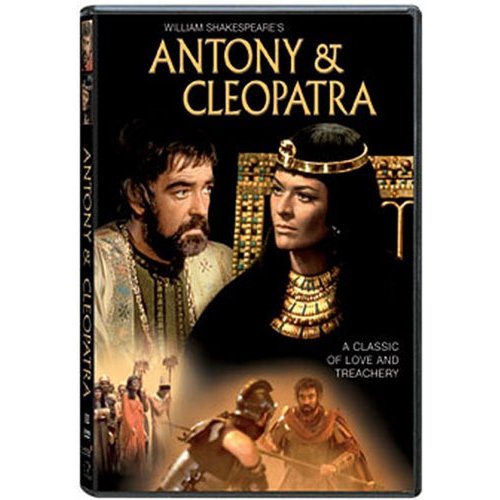 Click for larger image
161 Minutes
http://www.sparknotes.com/shakespeare/antony/
http://en.wikipedia.org/wiki/Antony_and_Cleopatra
http://www-tech.mit.edu/Shakespeare/cleopatra/
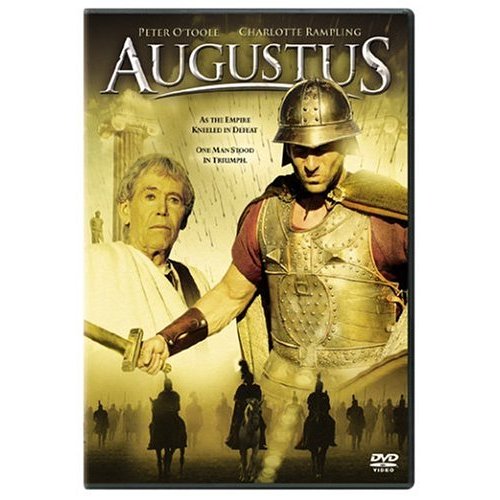 Click for larger image
178 Minutes
http://en.wikipedia.org/wiki/Imperium:_Augustus
http://www.roman-emperors.org/auggie.htm
http://www.virgil.org/augustus/
http://classics.mit.edu/Augustus/deeds.html
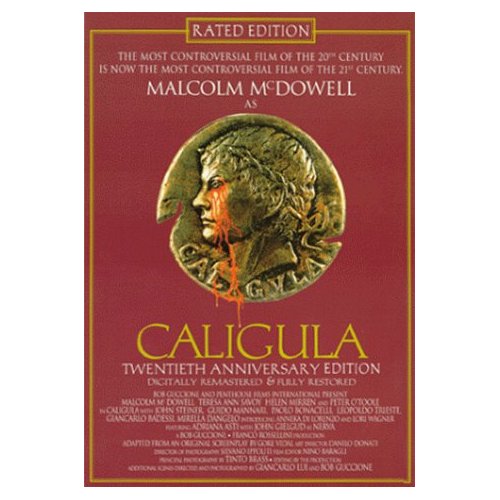 Click for larger image
101 Minutes
http://www.roman-emperors.org/gaius.htm
http://en.wikipedia.org/wiki/Caligula_%28film%29
http://en.wikipedia.org/wiki/Caligula
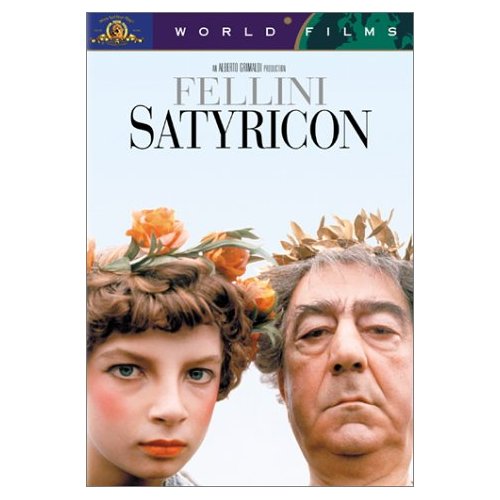 Click for larger image
129 Minutes
http://en.wikipedia.org/wiki/Satyricon_%28film%29
http://en.wikipedia.org/wiki/Satyricon
http://en.wikipedia.org/wiki/Petronius
http://en.wikipedia.org/wiki/Federico_Fellini
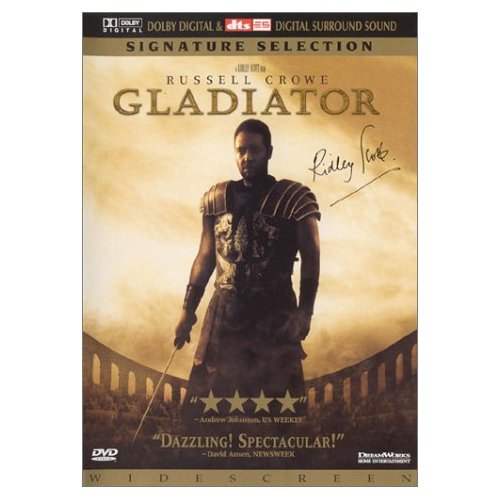 Click for larger image
155 Minutes
http://www.mmdtkw.org/VCommodus.html
http://abacus.bates.edu/~mimber/Rciv/gladiator.htm
http://www.vroma.org/~bmcmanus/arena.html
http://www.exovedate.com/the_real_gladiator_one.html
http://ablemedia.com/ctcweb/consortium/gladiators.html
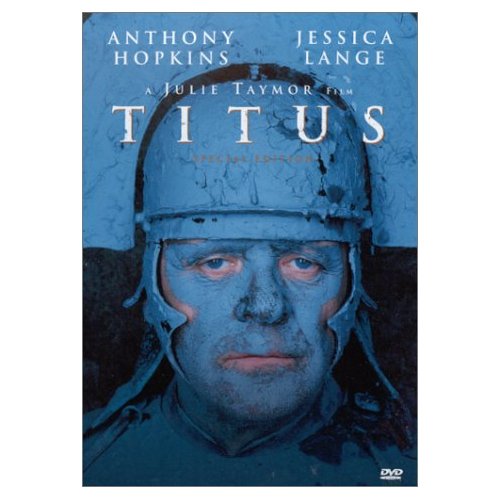 Click for larger image
162 Minutes
http://www.geocities.com/hopkinsfanatic/titusnyt.htm
http://www.culturekiosque.com/nouveau/cinema/rhevideo2.html
http://www.findarticles.com/p/articles/mi_qa3768/is_200401/ai_n9394382
http://www.findarticles.com/p/articles/mi_qa3768/is_200201/ai_n9057295
http://www-tech.mit.edu/Shakespeare/titus/index.html
http://www.answers.com/topic/senecan-tragedy